As the owner of JP Fence, I know homeowners and businesses in Northern Nevada want fence designs that do more than look good. A fence has to solve real problems: privacy, security, containment, wind resistance, and long-term durability in our climate. Northern Nevada’s sun exposure, high winds, and uneven terrain require careful planning. The best designs come from understanding how the environment interacts with each material and style. When done properly, a fence enhances the property today and performs reliably for years.
Sun exposure in Northern Nevada is intense enough to degrade inferior materials within just a few seasons. Finishes break down, boards dry out, and low-quality vinyl becomes brittle. That is why every design we build starts with selecting materials and coatings that stand up to UV exposure and sharp temperature swings. A fence should maintain both structure and appearance without constant repairs.
Wind is one of the biggest structural challenges. Many neighborhoods, from Spanish Springs to Carson Valley, sit in open corridors where gusts hit with tremendous force. The taller the fence, the more wind it carries. A sound design requires posts set deep enough to resist uplift, rails spaced to distribute pressure, and frames engineered to prevent sections from bowing or leaning. Experience matters greatly here. Most repair calls we receive involve fences that failed not because the material was weak, but because the design never accounted for Northern Nevada winds.
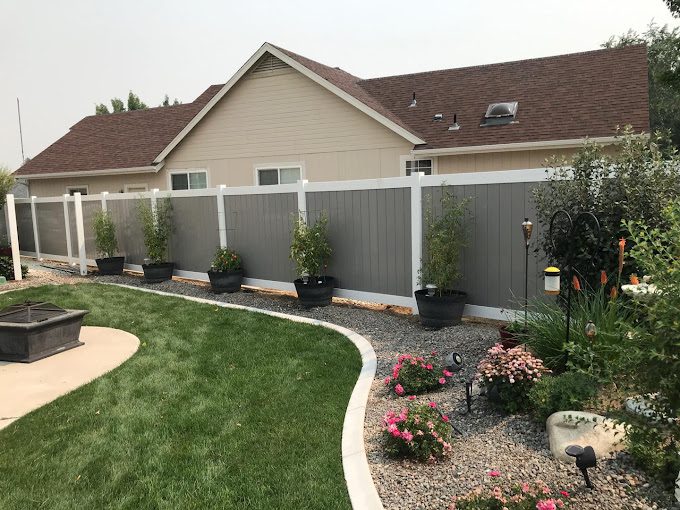
Terrain is another factor that distinguishes our region. Few properties sit on a perfectly level grade. A fence must follow slopes without leaving gaps at the bottom or creating awkward steps that disrupt appearance. We use racking and stepping techniques depending on the steepness and soil composition. Properly designed, a fence flows naturally with the land, avoids binding gates, and maintains consistent spacing along the entire line. Homeowners appreciate the finished look, but the real value comes from long-term stability and function.
Durability and maintenance expectations also influence design. Wood offers a warm, classic look but requires sealing. Vinyl and composites maintain their finish with little upkeep. Metal resists warping and handles wind exceptionally well. Each material has strengths when paired with the right application. The key is aligning material choice with lifestyle and property needs.
Wood remains a popular choice because it provides strong privacy and blends well with both modern and rustic homes. It works especially well in large backyard settings where homeowners want full enclosure. When sealed properly, wood performs well in our dry climate, though it will require periodic maintenance to retain color and prevent shrinking.
Vinyl offers a clean, uniform look that doesn’t fade quickly in the Nevada sun when manufactured and installed correctly. For homeowners who want a polished appearance without ongoing staining or painting, vinyl remains one of the more worry-free solutions. It holds up well in front yards where presentation matters and maintenance needs to be minimal.
Metal fencing brings strength that few other materials match. It defines boundaries clearly while allowing visibility, making it ideal for front yards or properties overlooking scenic views. Powder-coated finishes prevent rust in dry climates and ensure the fence maintains its appearance even after years of exposure. Businesses appreciate metal for its security and longevity, but homeowners value it for its timeless, low-maintenance durability.
Ornamental steel or iron adds a decorative element without sacrificing safety. These designs elevate curb appeal and create character at the entry to a home. They also retain their structure far better than lightweight aluminum alternatives, especially in windy areas.
Composite materials offer the look of wood without the upkeep. They resist warping, shrinking, and fading, making them an excellent choice for homeowners who want long-term reliability with a natural aesthetic. As Northern Nevada continues to expand, composites have become one of the fastest-growing choices for premium residential fencing.
Chain link remains highly practical for large perimeters, pet containment, and commercial sites. It is cost-effective, durable, and easy to maintain. Privacy slats or screens can be added when needed, and industrial-grade variants withstand demanding use.
Custom combinations allow homeowners to pair the best characteristics of each material. Wood inserts inside steel frames, for example, add warmth while ensuring the structure never sags. These hybrid designs perform especially well on sloped yards or wide spans where strength matters.
The best-looking fence fails if it doesn’t accomplish its purpose. That is why every project begins with clarifying needs. Privacy fences eliminate sightlines into backyards, pool areas, patios, and side yards where families want seclusion. Security-focused designs reinforce boundaries, deter access, and control entry around equipment yards, RV parking, and high-traffic areas. Families with pets or small children need fences that prevent climbing, contain active animals, and secure play areas.
Each property has a primary function that drives height, spacing, and material selection. A four-foot ornamental fence suits a front yard but cannot provide privacy or prevent a large dog from jumping. A six-foot solid panel works well for a backyard but may overpower the home visually if used incorrectly at the front. By identifying purpose first, we avoid mismatches between design and expectations.
Some properties require specific accommodations. Pool areas must meet safety codes for gate operation and spacing. Commercial lots need fences that resist tampering and minimize maintenance. RV parking benefits from wide, reinforced gates that handle repeated opening and closing without sagging. Understanding these practical needs ensures the final design is both attractive and functional.
Height affects both visibility and wind load. Choosing the right height keeps the fence compliant with HOA rules and ensures performance in wind-prone areas. Spacing influences privacy, airflow, and overall aesthetics. Solid panels create full privacy, while semi-private or open designs work well in front areas where airflow and sightlines matter.
Post construction is the foundation of any quality fence. Deep-set posts anchored in concrete prevent movement and sagging. Rails and framing distribute force evenly, allowing the fence to stand firm through storms and seasonal changes. Gates require even more precision because they carry weight and move frequently. Proper alignment, strong hinges, and accurate leveling ensure they function reliably.
Finishes complete the design and determine how the fence ages. Stained wood protects against dryness and cracking. Powder-coated metal resists fading and corrosion. Vinyl and composite boards maintain color without extra treatment. When materials and finishes match the environment, the fence maintains its appearance instead of degrading prematurely.
At JP Fence, we design the entire system intentionally: from the first post to the final latch, so the finished product looks unified, functions smoothly, and withstands the realities of Northern Nevada’s climate. Homeowners receive a fence tailored to their property, not a generic solution.
If you are planning a fence for privacy, security, style, or all three, we are ready to help. Contact JP Fence to begin designing a fence that fits your property, performs in our climate, and enhances your home for years to come.
Before starting your fence installation project, it's essential to understand the local regulations that apply to Nevada fencing. At JP Fence in Carson City, our experienced fence contractors know how vital each step of the installation process is. This guide aims to simplify the journey, offering a clear roadmap from the initial planning stages to the successful completion of your beautiful and functional fencing project.
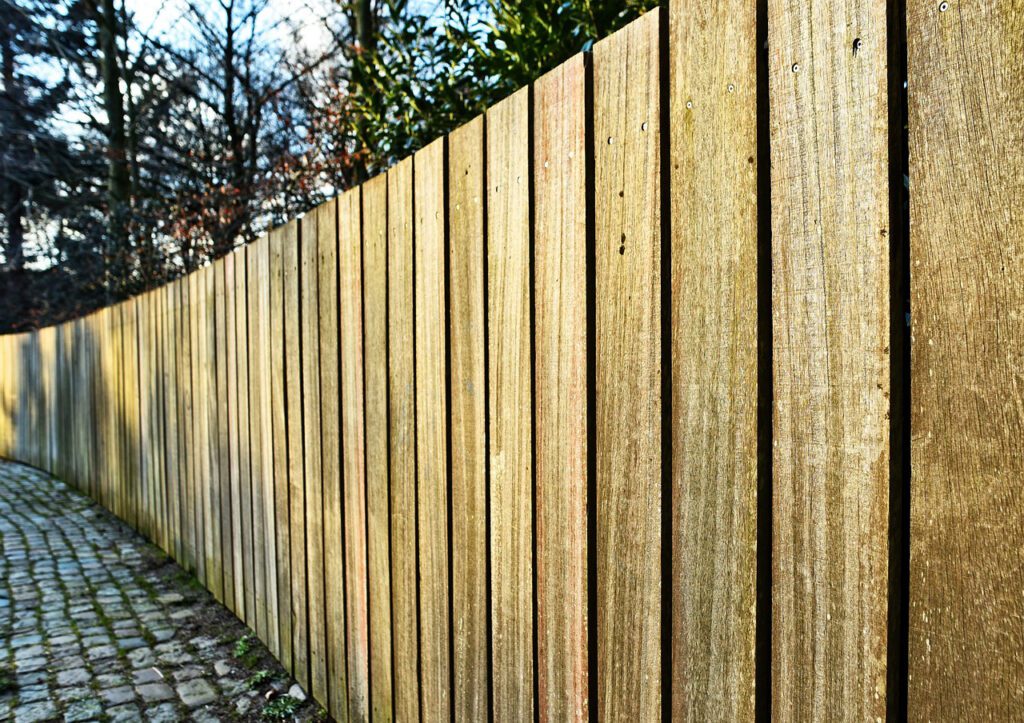
Before starting your fence installation project, it's essential to familiarize yourself with local regulations. In areas like Carson City and Washoe County, fence requirements vary significantly, covering aspects such as height, materials, and placement. These rules are designed to ensure safety, compliance, and harmony within the community.
Consulting your local building department or zoning office is the first step to understanding these regulations. Doing this groundwork can save you from potential issues later, such as having to modify or remove a non-compliant fence. Securing the necessary permits isn’t just about adhering to the law—it’s about respecting the guidelines that maintain your neighborhood's character and safety.
Selecting the best materials and design for your fence is crucial for both aesthetic and practical reasons. The right choice enhances your home's curb appeal and serves its intended purpose, whether it’s for privacy, security, or defining property boundaries. Materials such as traditional wood, durable vinyl, and elegant wrought iron offer varying levels of maintenance, durability, and style.
Keep in mind the guidelines of your Homeowners Association (HOA), if applicable. HOAs often have specific rules regarding fence materials, heights, and styles to ensure a cohesive community appearance. By balancing your personal preferences with these requirements, you can ensure a successful installation. Experienced fence contractors like JP Fence can guide you through this process, helping you select materials and designs that align with your needs and meet local regulations.
Partnering with professional fence contractors like JP Fence can make the entire installation process much smoother. Our experts bring a deep understanding of local regulations, material options, and design possibilities. A consultation with a skilled contractor helps you navigate the many choices and considerations involved, ensuring your fence meets your functional and aesthetic goals while complying with local and HOA requirements.
Professional fence contractors can also provide accurate cost estimates and timelines, helping you set realistic expectations for your project. Working with professionals is about more than just building a fence—it’s about making a lasting improvement to your property that you’ll enjoy for years to come.
The installation process begins with thorough preparation. This includes marking utility lines, clearing obstructions along the fence line, and confirming property boundaries. These steps are crucial to avoid delays and ensure a smooth installation.
Once preparation is complete, the actual installation involves setting posts, installing panels or pickets, and adding gates and hardware. Depending on your chosen materials and design, the installation process may vary. With JP Fence, every step is handled with precision and attention to detail to ensure a high-quality, durable result.
JP Fence's experienced fence contractors are ready to guide you through every step of your fence installation project in Nevada. From navigating local regulations to selecting the perfect materials and completing a flawless installation, our team is here to help. Contact us today to discuss your fencing needs and discover how we can bring your vision to life.